
A Step by Step Guide to Maintaining Your Woodworking Equipment
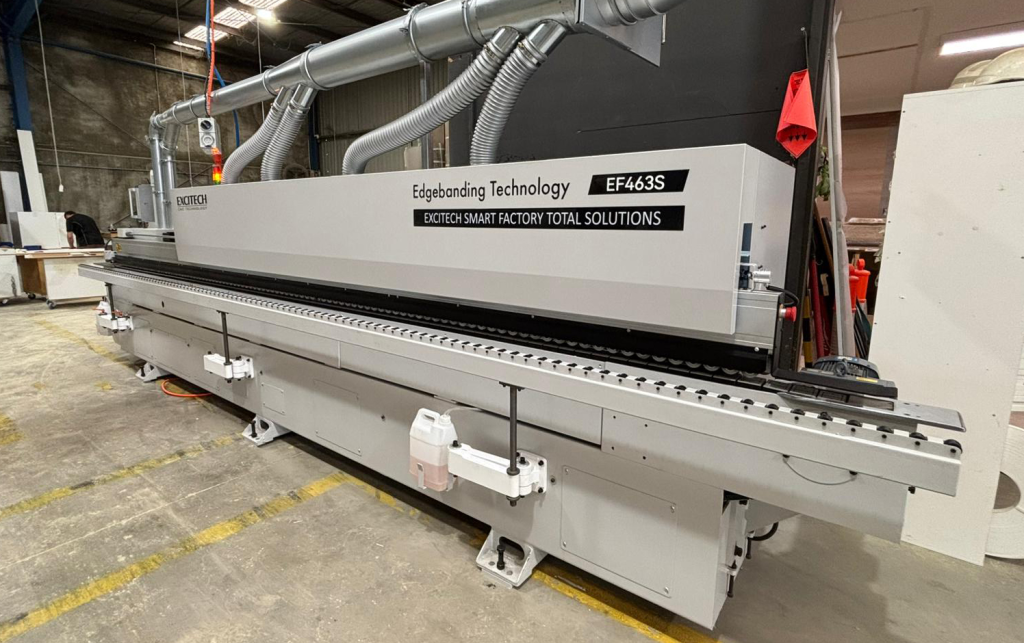
Proper woodworking equipment maintenance is essential for ensuring efficiency and long-term performance in any workshop. Whether you operate a small studio or manage large-scale industrial machinery, regular upkeep prevents downtime. It also improves output quality and extends the lifespan of your tools.
At Excitech Australia, investing in high-quality machinery is only the first step. Maintaining it protects that investment. This guide walks you through a practical, step-by-step approach to keeping your woodworking machinery in peak condition.
Step 1: Understand Why Maintenance Matters
Before diving into tasks, it’s important to recognise the impact of proper maintenance. A structured maintenance routine helps:
- Prevent unexpected breakdowns
- Improve precision and consistency
- Extend machine lifespan
- Maintain workplace safety
- Reduce long-term repair costs
Preventative maintenance programs are proven to reduce wear and tear, improve uptime, and increase productivity across woodworking operations.
Ignoring maintenance, on the other hand, often leads to increased downtime and expensive repairs.
Step 2: Follow a Daily Maintenance Routine
It is essential to know how to maintain woodworking tools effectively. These tasks take only minutes but deliver significant long-term benefits.
Key Daily Tasks:
- Clean machine surfaces, beds, and cutting areas
- Remove dust, chips, and debris
- Inspect cutting tools for wear or damage
- Check lubrication levels
- Test safety features like emergency stops
- Monitor for unusual noises or vibrations
Dust accumulation is one of the biggest threats in woodworking environments. It can interfere with moving parts, trap heat, and even damage electrical systems. Daily cleaning alone can prevent many of the most common equipment failures.
Step 3: Implement a Weekly Maintenance Checklist
A structured checklist should include weekly inspections that go beyond surface-level cleaning.
A weekly checklist should include:
- Inspect belts and drive systems for wear and tension
- Check cables and wiring for damage
- Examine hydraulic and pneumatic lines for leaks
- Clean filters, fans, and ventilation systems
- Verify smooth movement of axes and components
Weekly checks help identify small issues before they escalate into serious mechanical failures. For example, loose belts or worn components can reduce cutting accuracy and strain motors over time.
Step 4: Perform Monthly Preventive Maintenance
Monthly maintenance focuses on performance and precision. This is where preventative maintenance of woodworking machinery becomes critical.
Monthly tasks:
- Lubricate moving components such as rails and bearings
- Inspect spindles and motors for efficiency
- Check coolant systems and replace fluids if needed
- Tighten bolts and structural components
- Inspect electrical systems and control panels
Regular lubrication is especially important. Without it, friction increases, leading to premature wear and potential machine failure. Checking coolant systems ensures proper temperature control, which is essential for maintaining cutting accuracy and tool life.
Step 5: Prioritise CNC Machine Maintenance
Modern workshops rely heavily on CNC technology, making CNC machine maintenance a critical component of your overall strategy.
CNC-specific maintenance tasks:
- Clean spindle noses and tool holders daily
- Check coolant levels and concentration
- Inspect axis movement and alignment
- Monitor software and control systems
- Test emergency stops and safety interlocks
CNC machines operate under high loads and tight tolerances, so even minor issues can quickly impact performance. Without proper maintenance, accuracy declines, tool life shortens, and production delays increase.
A well-maintained CNC machine can significantly improve productivity and reduce downtime.
Step 6: Schedule Quarterly and Annual Servicing
Routine checks should be supplemented with deeper inspections throughout the year.
Quarterly Tasks:
- Verify machine accuracy and calibration
- Check backlash and alignment
- Perform vibration and performance analysis
Annual Servicing:
- Replace worn components such as bearings and filters
- Inspect structural integrity and machine leveling
- Conduct full system diagnostics
- Update software and control systems
These deeper inspections ensure your equipment continues to meet production standards and operates safely over time.
Step 7: Invest in Industrial Equipment Servicing
While daily and routine tasks can be handled in-house, industrial woodworking equipment servicing should be performed by professionals.
Expert Servicing Provides:
- Advanced diagnostics and calibration
- Preventative replacement of critical components
- Compliance with safety standards
- Reduced risk of major breakdowns
Professional technicians can identify hidden issues that are not visible during routine checks, helping to avoid costly repairs later.
Step 8: Train Your Team and Standardise Processes
Maintenance is only effective when it’s consistent. That’s why training your team is essential.
Best Practices:
- Create standard operating procedures (SOPs)
- Use maintenance logs and checklists
- Assign responsibilities to operators
- Schedule routine inspections
Well-trained staff can quickly identify early warning signs such as unusual sounds, vibrations, or performance drops.
Step 9: Optimise Your Workshop Environment
A clean and well-organised workspace plays a major role in equipment longevity.
Workshop Maintenance Tips:
- Maintain proper ventilation and dust extraction
- Keep temperature and humidity stable
- Store tools correctly to prevent damage
- Avoid overcrowding machinery
Environmental factors like dust, heat, and moisture can accelerate wear and reduce machine efficiency.
Step 10: Track and Improve Your Maintenance Strategy
Finally, treat maintenance as an ongoing process rather than a one-time task.
Continuous Improvement Tips:
- Track maintenance history and performance data
- Analyse recurring issues
- Adjust schedules based on machine usage
- Invest in predictive maintenance tools
Data-driven maintenance helps identify patterns and optimise your workflow, ensuring maximum efficiency over time.
Conclusion
Effective woodworking equipment maintenance is not just about keeping machines clean. It’s also about building a structured system that protects your investment and ensures consistent results.
By following a clear woodworking machine maintenance checklist, implementing preventative maintenance on your woodworking machinery, and prioritising CNC machine maintenance, you can significantly extend the life of your equipment and reduce costly downtime.
If you would like to know more about machinery maintenance or you’d like to hire professionals to do it for you, get in touch with the team at Excitech Australia.