
How Small Workshops Can Compete with Large Manufacturers Through Automation
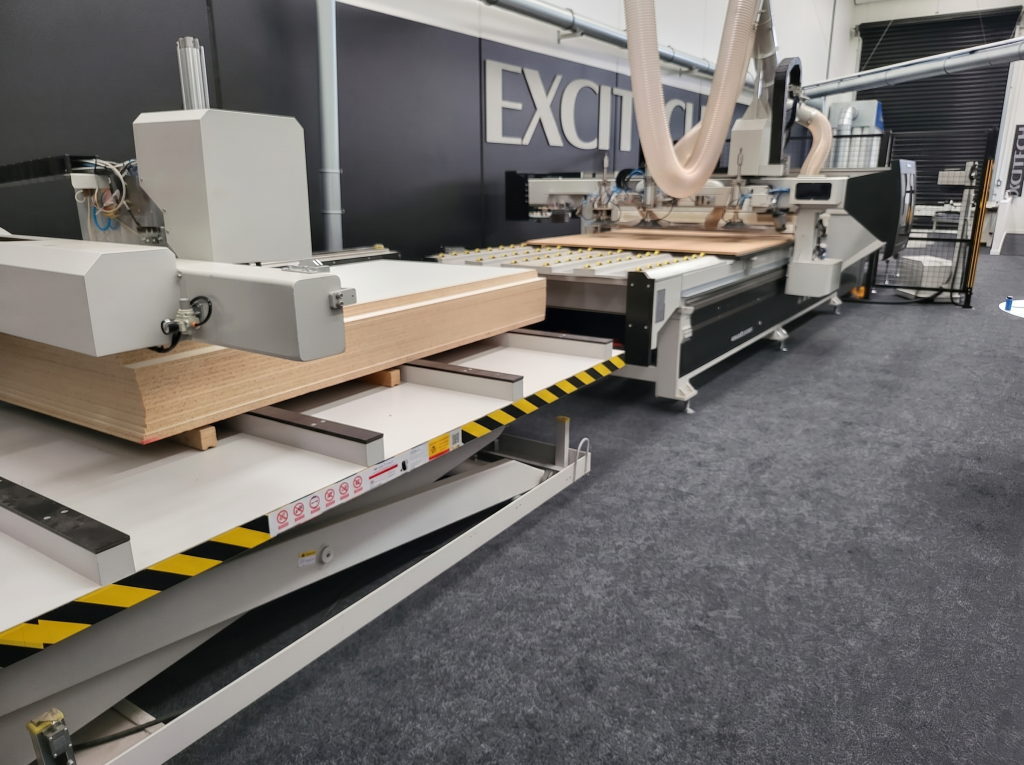
Advances in machinery, software, and production systems have transformed the way products are designed, manufactured, and delivered. Large manufacturers once held a distinct advantage due to their scale, but now small and medium-sized workshops have technologies that can dramatically improve productivity. Through strategic investment in woodworking automation, smaller businesses can compete effectively in markets previously dominated by larger operators.
Today’s solutions are more accessible, scalable, and affordable than ever before. Workshops looking to increase output and meet growing customer expectations will find that automation offers a practical pathway to sustainable growth.
The Changing Competitive Landscape
The ability of large manufacturers to purchase in bulk and invest in specialised equipment made it difficult for smaller workshops to compete. However, customer demands have shifted.
Many consumers and commercial clients now seek customised products, shorter lead times, and more flexibility. This creates opportunities for agile workshops that adapt quickly and deliver tailored solutions.
Modern woodworking technology lets smaller operations bridge the productivity gap that often sets them apart from larger competitors.
Why Automation Matters for Small Workshops
Automation provides benefits across a wide range of production environments.
By automating repetitive tasks, businesses can:
- Increase production capacity without significantly expanding labour costs
- Improve accuracy and consistency
- Reduce material waste
- Enhance workplace safety
- Minimise production bottlenecks
- Deliver projects faster
Rather than replacing skilled workers, automation lets employees focus on higher-value activities.
Improving Efficiency with CNC Machinery
CNC routers and machining centres allow workshops to perform cutting, drilling, engraving, and shaping operations with exceptional precision.
Tasks that once required hours of manual setup and execution can now be completed in a fraction of the time. CNC equipment also ensures consistent results across multiple production runs, reducing costly errors.
For small workshops, this consistency can significantly improve customer satisfaction while increasing overall profitability.
Reducing Labour Challenges
Labour shortages affect manufacturers throughout Australia. Finding experienced tradespeople can be difficult, and rising labour costs place additional pressure on workshop margins.
Automation helps address these challenges by reducing dependence on manual processes. Instead of requiring multiple operators for repetitive production tasks, businesses can use automated equipment to maintain productivity with fewer personnel.
This approach allows skilled employees to focus on complex work where their expertise delivers the greatest value. As a result, workshop automation becomes a powerful tool for maintaining competitiveness in a challenging labour market.
Delivering Faster Turnaround Times
Customers increasingly expect shorter lead times without compromising quality.
Automated production systems streamline workflows from design through to final manufacturing. Software platforms can transfer designs directly to machinery, eliminating manual programming and reducing human error.
With production processes connected and optimised, workshops can complete jobs faster and respond to customer requests with greater confidence. This ability to deliver products faster provides a competitive advantage over businesses relying on traditional methods.
Enhancing Product Quality
Manual processes inevitably introduce variations, particularly when multiple operators are involved. However, consistency is one of automation’s greatest strengths. Automated machinery performs tasks according to precise specifications every time. This consistency leads to improved product quality and greater customer satisfaction.
For businesses making cabinetry, furniture, or architectural components, maintaining high standards is essential to building a strong reputation and securing repeat business. Investing in woodworking automation solutions helps ensure consistent quality regardless of production volume.
Maximising Material Utilisation
Material costs represent a significant portion of production expenses in the woodworking sector. Even small improvements in material efficiency can generate substantial savings over time. Advanced nesting software and automated cutting systems optimise sheet layouts to minimise waste. Precise machining also reduces errors that would cause damaged components.
By improving material utilisation, workshops can reduce costs and improve environmental sustainability. These savings can then be reinvested into further equipment upgrades for business growth.
Supporting Customisation and Flexibility
One of the biggest misconceptions about automation is that it only benefits high-volume manufacturing. In reality, modern systems are ideally suited to custom production environments.
Digital workflows let businesses adjust designs quickly and efficiently. Product variations can be programmed into machinery without extensive retooling or setup changes. This flexibility lets workshops offer customised solutions while maintaining efficient production processes.
As demand for personalised products grows, automation lets small businesses meet customer expectations without sacrificing profitability.
Leveraging Data for Better Decision-Making
Today’s automated systems provide valuable production data that can help workshop owners make more informed decisions.
Manufacturers can monitor machine use, production times, material consumption, and workflow performance. This information helps identify inefficiencies and opportunities for improvement. Data-driven decision-making lets workshops continuously refine operations and maximise return on investment.
Competing on Value Rather Than Size
Small workshops do not need to match the production volume of large manufacturers to succeed. Instead, they can compete by delivering superior value.
Automation enables businesses to combine efficiency with flexibility, offering customers high-quality products and customised solutions. By reducing inefficiencies, workshops can remain competitive on pricing while preserving healthy profit margins.
This approach lets smaller manufacturers build strong customer relationships and establish a sustainable market position.
The Role of Manufacturing Automation in Australia
Across the country, businesses are increasingly embracing manufacturing automation to improve productivity and strengthen competitiveness.
Government support, technological innovation, and growing industry awareness are encouraging manufacturers to modernise operations and adopt advanced production systems. For woodworking businesses, automation provides an opportunity to future-proof operations and respond to changing market demands.
Companies that invest in modern equipment today are better positioned to adapt to future challenges and capitalise on emerging opportunities.
Choosing the Right Automation Partner
Successful automation implementation requires more than simply purchasing machinery. Workshops benefit most when equipment, training, and ongoing support are integrated into a complete solution.
Working with experienced providers ensures businesses select technologies aligned with their goals. A tailored approach helps maximise productivity gains while minimising disruption during implementation.
Conclusion
The competitive advantages once enjoyed exclusively by large manufacturers are becoming increasingly accessible to smaller workshops. Through strategic investment in woodworking machinery, businesses can improve efficiency, enhance quality and increase production capacity.
Woodworking automation solutions empower workshops to respond quickly to customer demands while maintaining profitability in a competitive marketplace. Combined with ongoing advancements in woodworking technology, automation is reshaping the future of manufacturing for businesses of all sizes.
If you would like to know more about our solutions, get in touch with the team at Excitech Australia, and we will be happy to help however we can.